Spain Outlasts Argentina in Extra Time to Claim 2026 World Cup
By SBA | Published July 20, 2026
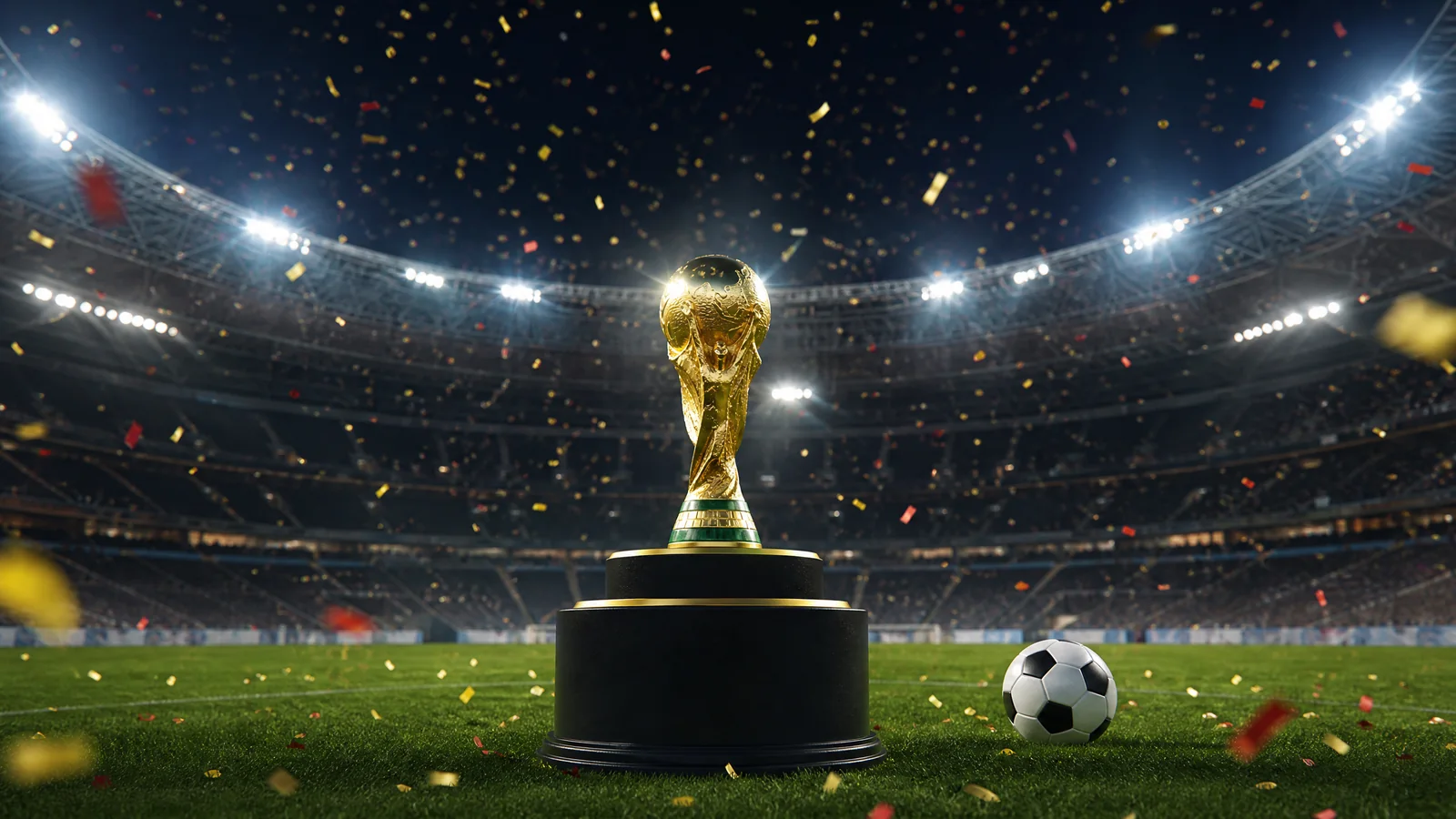
Spain Outlasts Argentina in Extra Time to Claim 2026 World Cup
The fairy tale ending wasn't meant to be for Lionel Messi, as Spain's relentless possession and tactical discipline finally broke Argentina in a grueling 1-0 extra-time victory to claim the 2026 World Cup at MetLife Stadium.
In a match defined by tension rather than flowing football, Spain proved why they entered the tournament as European champions. It took 106 minutes of grinding down Argentina's physical defense before Ferran Torres finally side-footed the winner past a heroic Emiliano Martinez.
Control Over Chaos
From a betting perspective, this final played out exactly as the sharp money expected. Spain held the ball, dictated the tempo, and forced Argentina into a defensive shell. The numbers were staggering: Spain outshot Argentina 20 to 2, with 12 shots on target. Incredibly, Argentina didn't register a single shot of any kind until the 115th minute—a record of futility for a World Cup final.
Argentina's strategy under Lionel Scaloni was clear: keep the game narrow, frustrate the Spanish midfield, and hope for one last moment of magic from their 39-year-old captain. But Spain's defense, which conceded just one goal in the entire tournament, suffocated the space. Messi finished his final World Cup match with zero touches in the opposition box.
The SBA Takeaway
Spain's victory cements their status as the premier force in world football, now riding a 38-game unbeaten streak. For bettors, the lesson from this tournament is clear: elite possession and structural discipline will consistently beat reliance on individual brilliance over a long tournament. While Argentina's physical approach—which culminated in Enzo Fernandez's extra-time red card—kept them in the game, Spain's quality was the inevitable winner.
---
Related reading:
- 2026 World Cup Final Betting Preview: Spain vs. Argentina
- Messi's Late Magic Rescues Argentina Against England
- Our AI Is Calling the World Cup — and It's Not Even Close